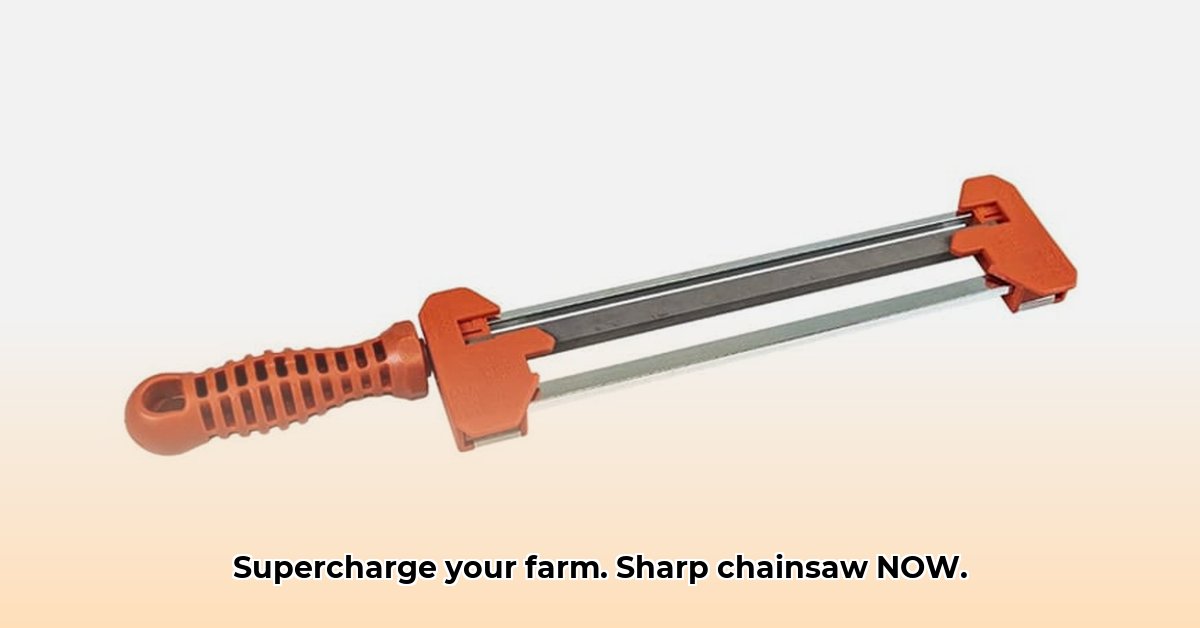
Let's face it: a dull chainsaw is a farmer's nightmare. It slows down work, wastes fuel, and—worst of all—increases the risk of injury. Keeping your chainsaw sharp is crucial for efficiency, safety, and sustainability. This guide shows you how to maximize your Tractor Supply chainsaw sharpener to keep your chainsaw cutting smoothly and powerfully. We'll cover the sharpening process step-by-step, explain the importance of maintenance, and offer tips for keeping your equipment in top condition. Even if you're not a mechanic, you can master this essential skill. For more chainsaw options, check out Tractor Supply chainsaws.
Getting Started with Your Tractor Supply Chainsaw Sharpener
Before diving into sharpening, familiarize yourself with your Tractor Supply chainsaw sharpener. Most sharpeners use a file to shape the chainsaw teeth, offering a relatively simple and effective way to maintain a sharp chain. However, always consult the manufacturer's instructions first. Each model has its own nuances, and understanding the manual will prevent frustration and ensure safe operation. Think of it as your personalized training guide to achieving perfectly sharpened chains.
Sharpening Your Chainsaw: A Step-by-Step Guide
Ready to sharpen your chain? Follow these steps; your chainsaw will be cutting through wood with ease in no time.
Step 1: Prioritize Safety! Before touching the chainsaw, ensure it's unplugged (electric) or the engine is completely cool and the fuel is off. Safety glasses and work gloves are essential for protecting your eyes and hands. Never compromise on safety!
Step 2: Secure the Chainsaw: Firmly secure the chainsaw bar using a vise or chain clamp. This is critical for preventing accidents and maintaining control throughout the sharpening process. Keeping your fingers safe should be your top priority.
Step 3: Inspect the Chain: Carefully examine the chain for any damage, such as bent, broken, or severely worn teeth. Replace any damaged parts before you begin sharpening. Using a damaged chain is dangerous and will produce poor cutting results.
Step 4: Setting Up the Sharpener: Your Tractor Supply sharpener likely has an adjustable feature to set the correct sharpening angle. Refer to your chainsaw's manual for the precise angle; this is crucial for achieving a uniform sharpness. An incorrect angle leads to an unevenly sharpened chain, rendering the effort less effective.
Step 5: Sharpening the Chain: With the sharpener correctly configured, apply steady and consistent pressure, moving the file smoothly along each tooth. Avoid aggressive movements; a gentle, even sharpening action is key. Maintain the correct angle throughout the process.
Step 6: Quality Check: After sharpening each tooth, inspect your work. Use a file gauge (if available) to ensure consistent sharpness across all teeth. They should feel uniformly sharp and ready for action. If not, you might need to refine your technique.
Step 7: Repeat the Process: Repeat steps 5 and 6 for each tooth on the chain. While time-consuming, this is necessary for a perfectly sharp chainsaw. A sharp chain means less effort, better cuts, and increased safety.
Maintaining Your Tractor Supply Chainsaw Sharpener
Your chainsaw sharpener is a valuable tool; proper maintenance extends its lifespan. Clean it after each use and store it in a dry place to prevent rust and corrosion. This simple care will ensure your sharpener remains in peak condition for years to come.
Why is Regular Sharpening So Important?
You might wonder why meticulous sharpening is so crucial. It's not just about convenience—it's about maximizing efficiency, safety, and sustainability.
Fuel Efficiency: A sharp chain cuts cleanly, using less power (and fuel). This directly translates to cost savings and a smaller environmental footprint.
Time Savings: A sharp chain significantly reduces cutting time, increasing productivity and allowing you more time for other farming tasks. This improved efficiency directly contributes to your bottom line.
Enhanced Safety: A sharp chain is a safer chain; smoother cuts dramatically minimize the risk of dangerous kickback.
Regular maintenance, including sharpening with your Tractor Supply sharpener, is an investment in your farm's success. It’s about optimizing efficiency and ensuring a safer work environment.
Troubleshooting Common Problems
Even with careful attention, some problems can occur. The following table offers solutions to common issues:
| Problem | Possible Solutions |
|---|---|
| Unevenly Sharpened Chain | Double-check your technique. Consistent pressure and angle are key. Practice refines your skill. |
| Dull Sharpening File | Replace the file. A dull file won't sharpen the chain effectively. |
| Damaged Chain Links | Replace the damaged links or the entire chain, if damage is extensive. |
| Incorrect Sharpening Angle | Consult your chainsaw's manual for the specified angle. Use a protractor for better accuracy. |
Remember, proactive chainsaw maintenance translates to smoother operation, enhanced safety, and increased profitability. Investing in a good sharpener and learning how to use it correctly will significantly improve your farming operations. Now, get out there and keep those chains sharp!
Tractor Supply Chainsaw Sharpener
Content about tractor supply chainsaw sharpener (Auto-generated fallback due to API error).
Tractor Supply Chainsaw Sharpener
Content about tractor supply chainsaw sharpener (Auto-generated fallback due to API error).